October note, by Lucia
What play-based actually means at age three
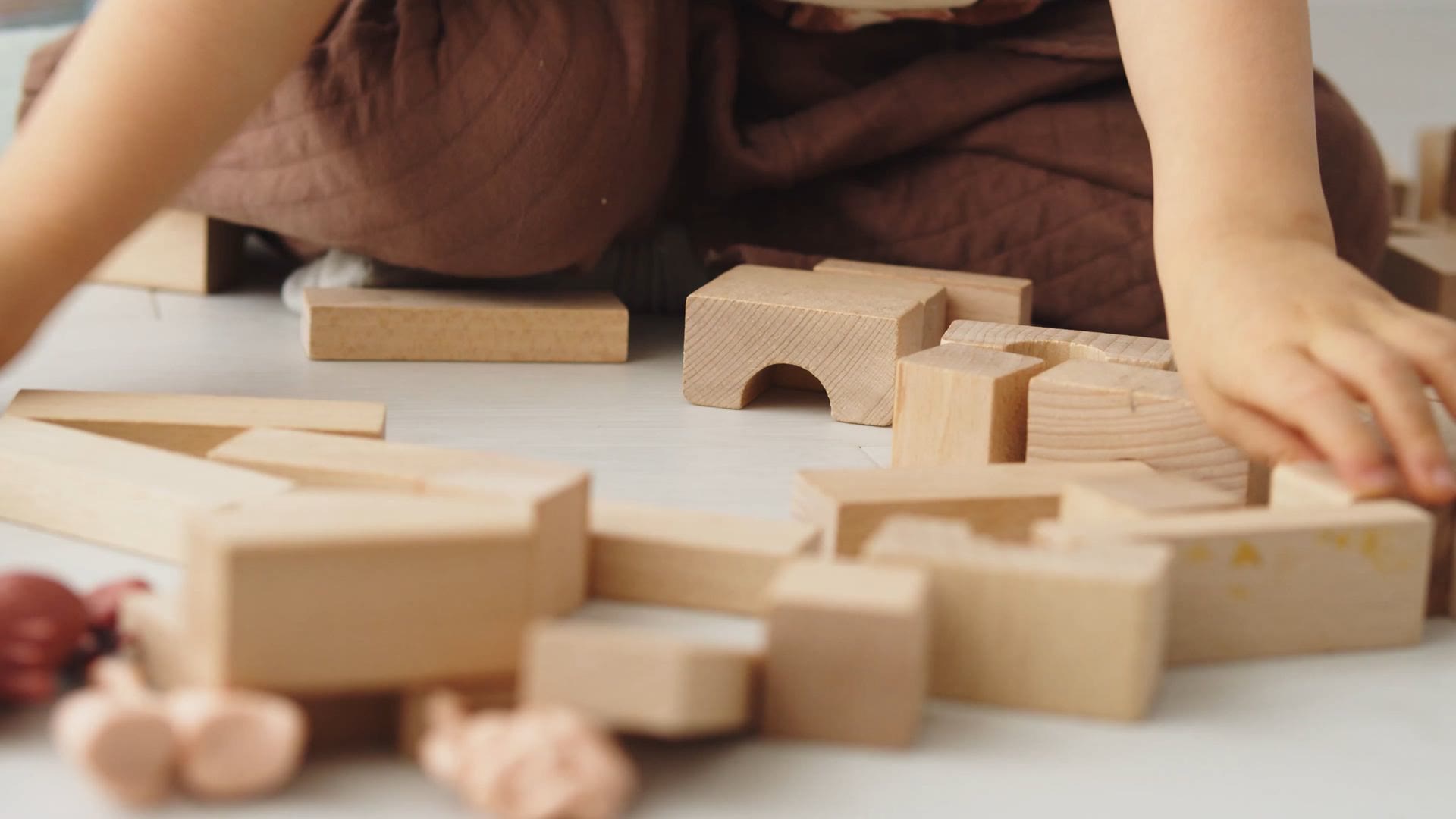
Every tour, someone asks it kindly: so they just play all day? Yes. And no. Play-based does not mean we open the door and walk away. It means play is how the learning gets in, and our job is to set it up, watch it closely and step in at the right moment.
It starts with the room
Before the kids arrive, we choose what is out. If we want them counting, the block shelf has sets of matching blocks and the snack table has six cups for six chairs. If we want them talking, the dress up corner has a shop till and a phone. Three year olds will not sit for a lesson on sharing. They will absolutely run a bakery and argue about who gets to be the baker.
Then we watch
Most of a teacher's morning is noticing. Who is building tall towers and who is knocking them down. Who has not talked to anyone yet. We write short notes during the day and they shape what we put out tomorrow.
The best question a teacher can ask a three year old is "how did you figure that out?"
And we step in, a little
When a tower keeps falling, we do not fix it. We ask what is happening at the bottom. When two kids want the same truck, we name it out loud and help them find a plan. That small nudge is the teaching. Done well, the kid thinks they figured it out alone. They mostly did.
What you will see at home
Longer stories at dinner. More "I can do it". Some very specific opinions about worms. That is what we are going for. If you want to see it in person, come on a tour and spend twenty minutes in the room.